


Fresh herbs and dried herbs each have their own strengths. One is not automatically better than the other: the right choice depends on the dish, the cooking time and the moment you add the herbs. With this guide you choose and dose consciously.
What is the difference between fresh and dried herbs?
Fresh herbs contain a lot of moisture and often have a light, fresh scent. During drying most of that moisture disappears, making the aroma more concentrated. That's why you usually need less of dried herbs.
The flavour sometimes changes too. Dried oregano, thyme and rosemary keep a lot of character and work excellently in hot dishes. Fresh basil, parsley, chives and mint are attractive precisely when their fresh aroma may stay in the foreground.
The simple conversion rule: 1 to 3
As a practical starting point, you can replace 1 part dried herbs with about 3 parts fresh herbs. So one teaspoon of dried herbs roughly equals one tablespoon of finely chopped fresh herbs.
Don't see this as an exact law. The strength differs per herb, brand, harvest and storage time. Start with a small amount, let the flavour develop and taste before adding more.
When are dried herbs the best choice?
Dried herbs are particularly suitable for dishes that have time to cook. Heat and moisture help release the aromas and spread them evenly through the dish.
- Stews and soups: add the herbs early so they can infuse.
- Tomato and pasta sauces: oregano, thyme and marjoram gain more depth while simmering.
- Oven dishes and roasted vegetables: mix the herbs with oil through the ingredients beforehand.
- Marinades and rubs: dried herbs spread easily over meat, fish or vegetables.
- Spice mixes: a balanced mix gives a reproducible result and is handy for busy cooking moments.
For everyday cooking, our dried herbs and spices offer a wide choice, from mild leafy herbs to powerful spices.
When are fresh herbs the best choice?
Fresh herbs come into their own especially in cold dishes, short preparations and as a finish. Add delicate herbs just before serving, so colour, aroma and freshness are preserved.
- Salads and cold sauces: think of fresh parsley, dill, chives or mint.
- Pasta and pizza: fresh basil gives a recognisable fresh aroma at the end.
- Garnish: finely chopped herbs add colour and a final flavour accent.
- Drinks and desserts: mint and lemon balm often work better fresh.
When do you add herbs during cooking?
Dried leafy herbs
Usually add them to soup, sauce and stew at the beginning or halfway. They need moisture and time to soften and release their flavour.
Ground spices
You can briefly heat ground spices in oil, but prevent them from burning. In a wet dish they can be added early; a small extra amount at the end can refresh the aroma.
Fresh, soft herbs
Basil, parsley, coriander and chives are usually added at the end. Hardy herbs such as rosemary and thyme can also cook longer when fresh.
Four practical examples
- Spaghetti sauce: let dried oregano and thyme simmer along; finish with fresh basil if desired.
- Oven potatoes: mix dried rosemary or a potato spice mix with oil through the potatoes beforehand.
- Potato salad: only add fresh chives or parsley when the potatoes have cooled.
- Curry: let dried or whole spices cook along and only add fresh coriander at the table.
How do you store herbs for the best flavour?
Store dried herbs tightly closed, dry and out of direct sunlight. Heat, moisture and light accelerate the loss of colour and aroma. Always use a dry spoon and close the packaging immediately after use. Depending on the type, store fresh herbs in the fridge or as a small bouquet in water.
Doubting your dried herbs? Rub a small amount between your fingers and smell it. If the aroma is hardly noticeable, the herb will also give little flavour to your dish.
Frequently asked questions
Are dried herbs worse than fresh herbs?
No. They taste different and have different uses. For slow-cooking dishes dried herbs are often more practical; for a fresh finish fresh herbs are usually more suitable.
Can you use fresh and dried herbs together?
Certainly. Let dried herbs cook along for a deep base flavour and add a small amount of fresh herbs at the end for freshness.
How much dried herbs do you use?
For many dishes, start with 1 to 2 level teaspoons per 500 grams of ingredients. Dose powerful spices lower. Also read our practical dosing guide.
Find the right flavour for your dish
See all herbs and spices from A to Z or choose a ready-made spice mix with clear usage and dosing tips.

 Zwarte truffel
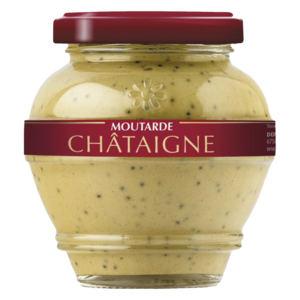 Kastanje
 Honing & balsamico
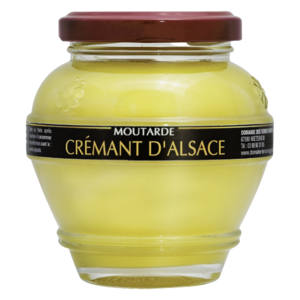 Crémant d'Alsace
 Piment d'Espelette