


Seasoning a dish well isn't about using as many herbs as possible, but the right amount at the right moment. Start in a controlled way, taste in between and build up the flavour step by step. With this practical dosing guide you have a reliable starting point for meat, fish, vegetables, potatoes, soup and sauce.
How much seasoning do you need on average?
As a general rule of thumb, you can count on 1 to 2 level teaspoons of herbs per 500 grams of ingredients. For a complete spice mix with meat the amount is often a bit higher: about 15 to 25 grams per kilogram. The ideal dosage depends on the strength of the herbs, the cooking time and the presence of salt.
- Mild leafy herbs such as parsley, chives and oregano can usually be used more generously.
- Powerful spices such as chilli, cloves, nutmeg and smoked paprika are better added carefully.
- Spice mixes with salt dose lower and taste before adding extra salt.
The dosing advice on the product page always remains the best starting point, because every blend is composed differently.
Practical dosing guide per type of dish
Meat and poultry
For meat or chicken, use about 15 to 25 grams of spice mix per kilogram. Mix the spices with a little oil so they are evenly distributed. For a marinade, preferably let the seasoned meat rest for at least an hour. For our gyros spice mix, for example, we recommend 20 to 25 grams per kilogram of meat.
Fish and scampi
Fish usually needs less seasoning than meat. Start with 1 level teaspoon per 500 grams. With delicate fish, add a small amount first; powerful spices can quickly overpower the delicate flavour. With scampi the seasoning can be a bit bolder, especially when you fry them briefly and hot.
Vegetables
For 500 grams of vegetables, 1 to 2 teaspoons is a good starting point. Mix dried herbs with olive oil through the vegetables before roasting. This way they stick better and their aromas are nicely released during baking.
Potatoes
Count on 1 to 2 teaspoons per 500 grams of potatoes. Mix the herbs with oil before the potatoes go into the oven, pan or air fryer. Taste after baking and finish with a small extra pinch if desired.
Soup and sauce
Start with 1 teaspoon per 500 millilitres. Let the herbs cook along for a few minutes and then taste again. Especially in soup and sauce, the flavour becomes stronger as liquid evaporates. So rather add a small amount twice than too much once.
When do you add herbs?
Not only the amount, but also the moment determines the result.
- Dried leafy herbs can be added early in the preparation. They need time and moisture to release their aroma.
- Whole spices can be briefly toasted in a dry pan or left to infuse.
- Ground pepper, fine herbs and hot spices can partly be added at the end for a fresher aroma.
- Marinades gain more depth when they can rest for at least an hour.
How to prevent a dish from being over-seasoned
- Measure the first amount with a dry teaspoon.
- Spread the herbs evenly over the dish.
- Give dried herbs a few minutes to release their flavour.
- Taste and only then add a small extra amount.
Is a dish too spicy or too strong anyway? Then enlarge the base with extra vegetables, sauce, unsalted stock or a neutral dairy product that suits the recipe.
Frequently asked questions about dosing herbs
How much is one teaspoon of herbs in grams?
That differs greatly per herb. Light leafy herbs weigh much less than finely ground spices or salt. So with recipes, preferably use the same unit as in the dosing advice.
Can you keep adding herbs during cooking?
Yes. That's actually the safest way to work. Do bear in mind that dried herbs need a moment before you taste their full flavour.
Do you need less of quality herbs?
Aromatic herbs with good scent, colour and freshness give a clear flavour more quickly. Still, careful dosing remains important: more powerful doesn't automatically mean more is better.
Discover which herbs suit your dish
Have a look at our spice mixes for targeted combinations or browse through all herbs and spices. On every product page you'll find practical usage and dosing tips.

 Zwarte truffel
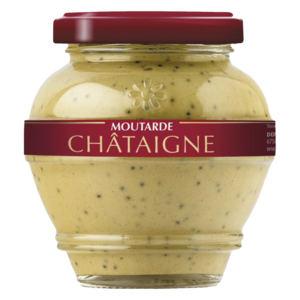 Kastanje
 Honing & balsamico
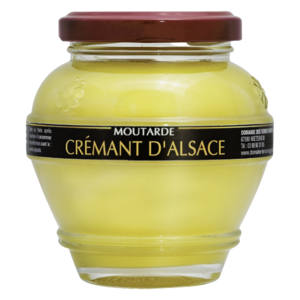 Crémant d'Alsace
 Piment d'Espelette